






LentiBlast™ Premium GMP is a patented clinical-grade viral transduction enhancer designed to increase lentiviral gene transfer in therapeutically relevant primary cells, including T cells, HSC, MSC, and NK cells.
Manufactured under GMP conditions with extensive quality controls, it ensures batch-to-batch consistency and full regulatory compatibility throughout clinical development.
Ideal for ex vivo cell therapy manufacturing, LentiBlast™ Premium GMP achieves high and reproducible transduction efficiencies while dramatically reducing the required viral vector amount and overall manufacturing cost.
Features & Benefits
Efficiency
Enhanced transduction efficiency especially at low MOI
Cost-effective
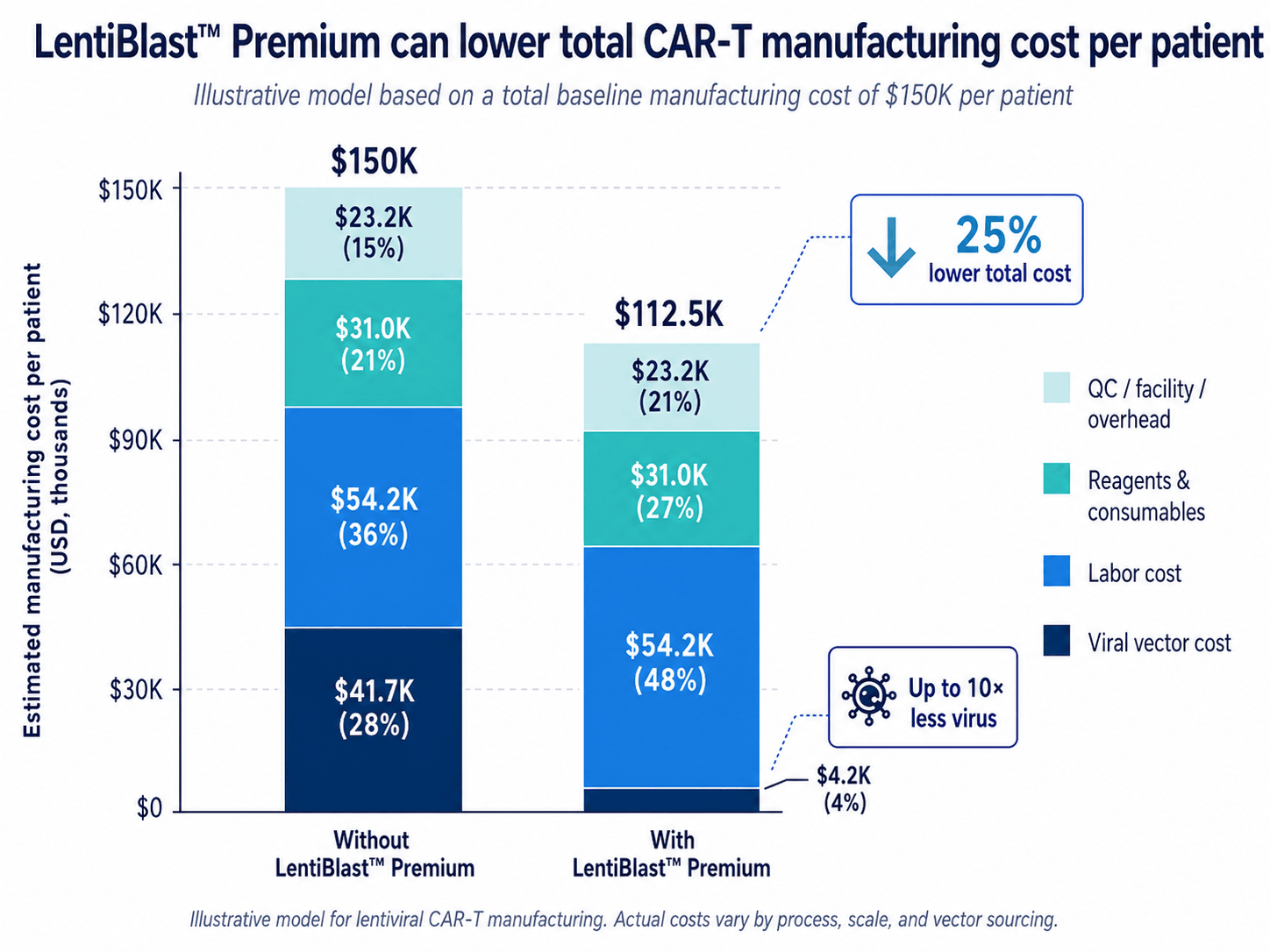
Up to 25% reduction in overall clinical manufacturing costs
Performance
Reduced viral vector requirements – Up to 10× less
Track Record
+100 scientific publications
+70 cell types tested
Broad cell therapy applicability
Quality
GMP-grade
Animal origin-free
Non-toxic
Intuitive
Extremely easy to use
Cost reduction & Manufacturing efficiency
By enabling up to 10× less viral vector for equivalent transduction efficiency, LentiBlast™ Premium GMP directly reduces one of the most expensive components of cell therapy manufacturing.
Since viral vectors typically account for 15–30% of total production cost, using LentiBlast™ Premium GMP can lower the global clinical manufacturing cost per patient by up to 25%.
This significant cost reduction facilitates broader patient access, supports reimbursement strategies, and strengthens the overall economic viability of advanced cell therapies.
LentiBlast™ Premium is more efficient than competitors
Outperforms benchmark enhancers across all tested MOIs, with the strongest gain at low MOI
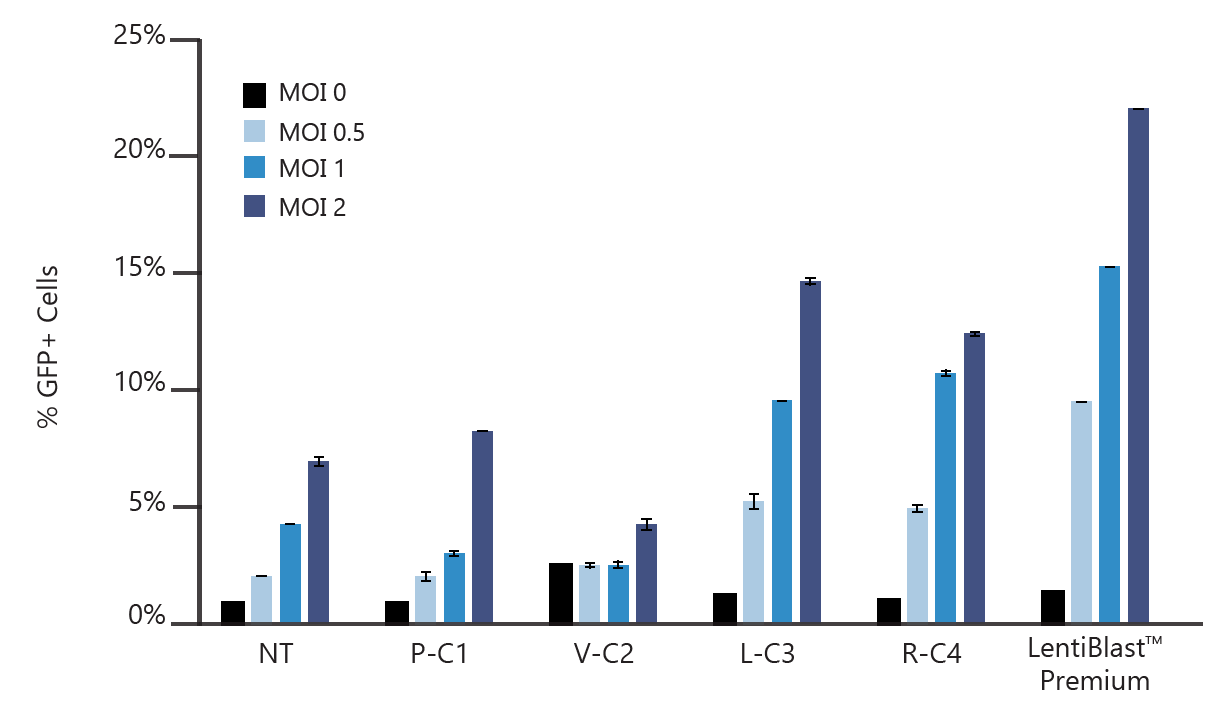
Figure 1. Comparison of transduction enhancers in KHYG-1 cell line with lentiviral vector. KHYG-1 cells were infected with GFP encoding lentivirus at M.O.I. 0, 0.5, 1 and 2 in presence or not of transduction enhancers (Competitors (C) 1 to 4). Percentage of GFP+ cells was measured 5 days after by flow cytometry.
Among 70+ cell types tested, selected examples of proven performance across a broad range of primary cell types
| Category | Cell | Journal | DOI |
|---|---|---|---|
| Hematopoietic Stem & Progenitor Cells | Murine bone marrow hematopoietic progenitor cells, retrogenic TCR model | Immunity | 10.1016/j.immuni.2024.05.023 |
| Human CD34⁺ HSPCs from cord blood and bone marrow | Blood Advances | 10.1182/bloodadvances.2021004205 | |
| Human cord blood CD34⁺ HSPCs | Molecular Therapy Nucleic Acids | 10.1016/j.omtn.2018.12.004 | |
| Primary human AML cells from bone marrow or peripheral blood | Journal of Clinical Investigation | 10.1172/JCI165510 | |
| Murine E11.5 AGM explants | Science Advances | 10.1126/sciadv.abm3470 | |
| Immune Cells (Myeloid & Lymphoid) | Murine ER-HoxB8 myeloid progenitors | The EMBO Journal | 10.1038/s44318-024-00173-7 |
| Immortalized murine bone marrow-derived macrophages (iBMDMs) | Nature Communications | 10.1038/s41467-018-08236-0 | |
| PHA-activated human PBMCs: CD4⁺ T-cell readout | Nature Communications | 10.1038/s41467-022-28130-0 | |
| Primary human CD4⁺ and CD8⁺ CAR T cells | Science Advances | 10.1126/sciadv.aec2632 | |
| Human NK progenitors, differentiating NK cells and KHYG-1 | Eurostars project | MODIFY-NK | |
| Autologous primary CD4⁺ and CD8⁺ CAR T cells (pig-tailed macaque) | Blood | 10.1182/blood.2025028683 | |
| Activated lymphocytes | Journal of Immunotherapy | 10.1097/CJI.0000000000000503 | |
| Activated human PBMCs (+ Jurkat E6-1 used for protocol optimization) | Frontiers in Medicine | 10.3389/fmed.2026.1727427 | |
| CG1/HLA-A2 TCR-mimic CAR T cells | Leukemia | 10.1038/s41375-025-02652-0 | |
| Adipose Stromal & Progenitor Cells | Murine ASPCs, including CD142⁺ Aregs | Molecular Metabolism | 10.1016/j.molmet.2025.102125 |
| Primary Tissue-Derived Cells | Human epithelial cells and lung fibroblasts (HMEC, PrEC, IMR90, WI-38) | Nature | 10.1038/s41586-019-0885-0 |
| Primary neonatal mouse cardiomyocytes | Nature Communications | 10.1038/s41467-018-06617-z | |
| Primary human trabecular meshwork cells | Human Molecular Genetics | 10.1093/hmg/ddae003 |
LentiBlast™ on Primary Human PBMCs
Up to 75.95% CAR-positive cells with LentiBlast™
Addition of 1% LentiBlast™ increased CAR-positive primary human PBMCs from 44.95% to 75.95% at 96 hours post-transduction.
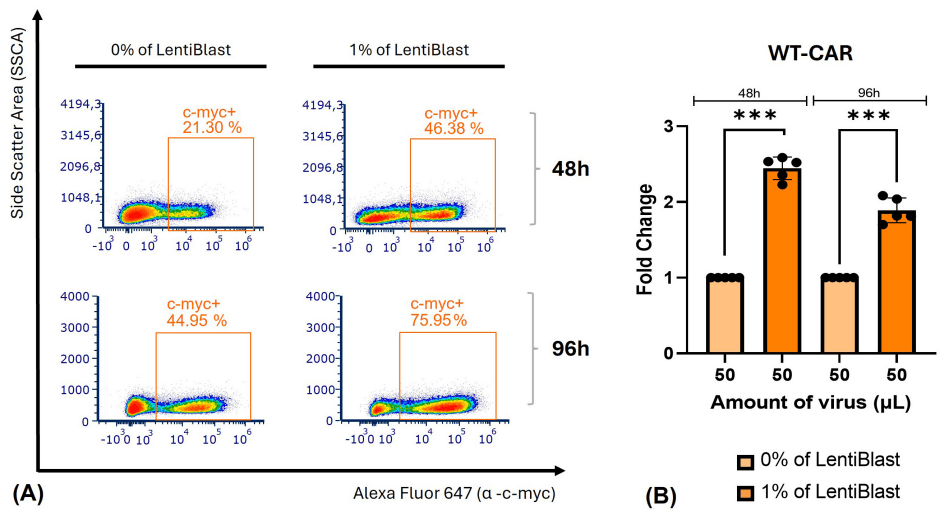
Figure 7. Lentiviral transduction of primary human PBMCs with a WT-CAR vector, with or without 1% LentiBlast™. CAR expression was assessed by flow cytometry 48 and 96 hours after transduction using the c-myc tag. Ferreira R. et al., Frontiers in Medicine. 2026;13:1727427. doi:10.3389/fmed.2026.1727427.
LentiBlast™ on Primary Human CAR-T Cells
96.3% CAR-positive primary human T cells at day 7
Flow cytometry showed 96.3% CAR-positive cells seven days after transduction of primary human T cells with huLym-1-A-BB3z-CAR lentivirus in the presence of LentiBlast™.
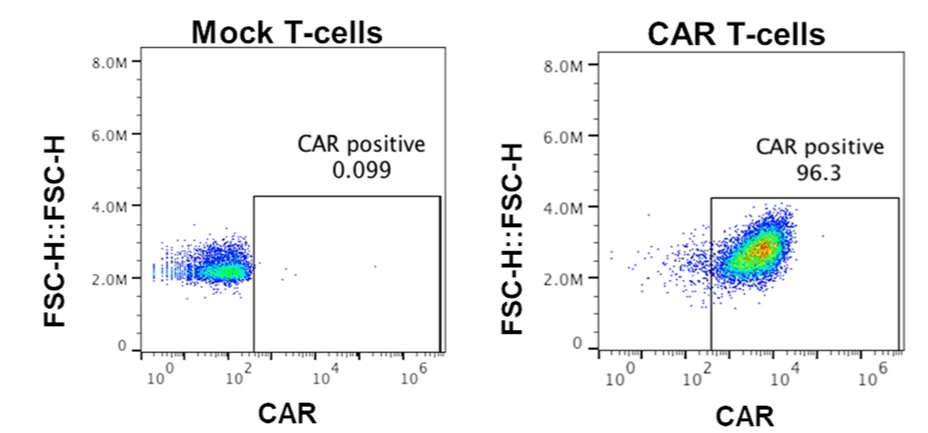
Figure 2b–c. Flow cytometry analysis of CAR expression in non-transduced and huLym-1-A-BB3z-CAR-transduced primary human T cells on day 7. CAR expression was measured using an antibody directed against the CAR-associated 261 tag. Sta Maria N.S. et al., Scientific Reports. 2021;11:15077. doi:10.1038/s41598-021-94490-0.
LentiBlast™ on Autologous NHP CAR-T Cells
CAR-T cells reached up to 96% of peripheral CD3⁺ T cells after infusion
Autologous CD4⁺ and CD8⁺ T cells transduced with CAR-encoding lentiviral vectors in the presence of LentiBlast™ showed robust in vivo expansion associated with rapid B-cell depletion.
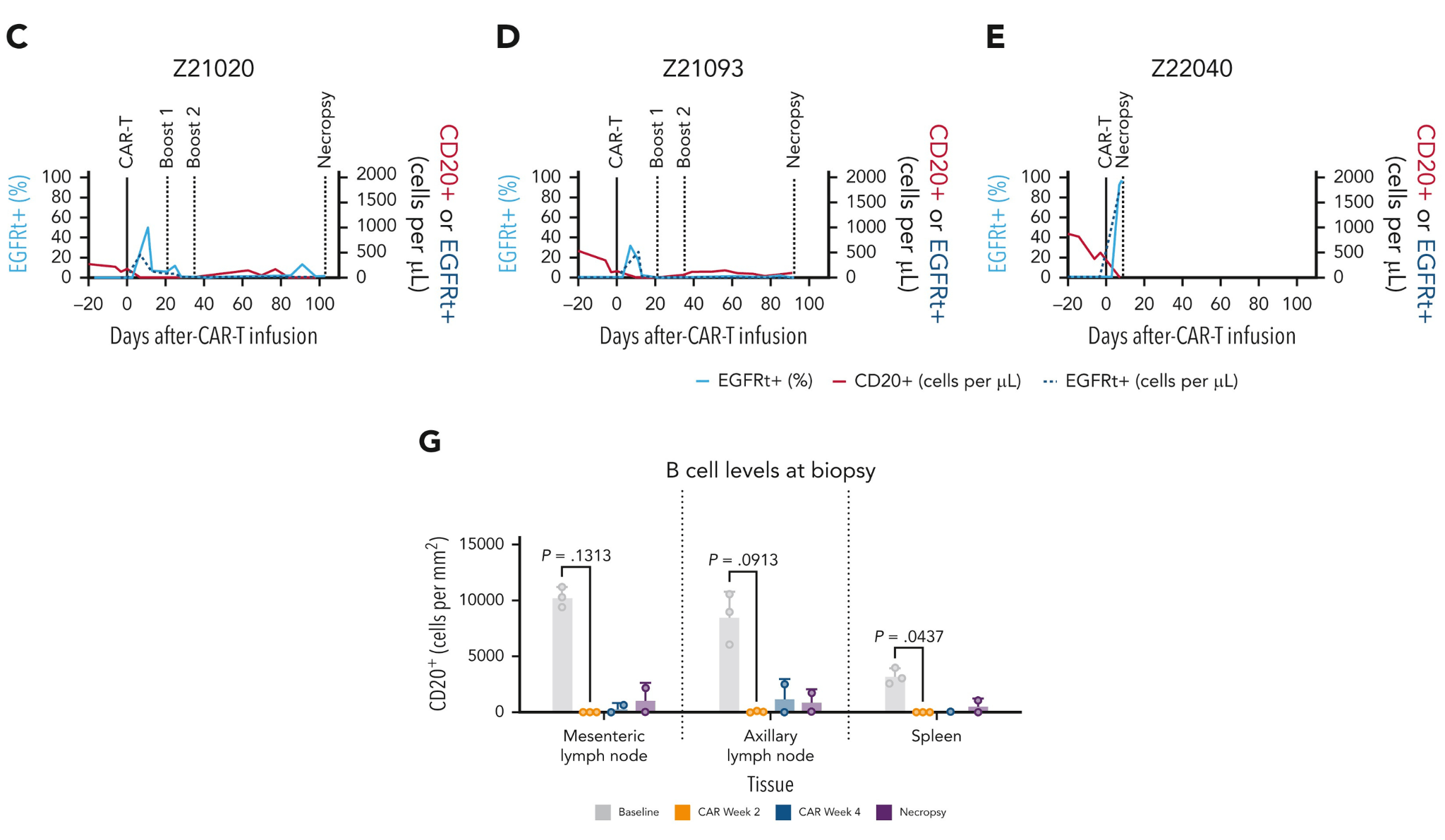
Figure 6C–E, G. Following infusion into three pig-tailed macaques, CAR-T cells expanded to 30–96% of peripheral CD3⁺ T cells, with peak levels 7–11 days after infusion. Expansion coincided with rapid depletion of circulating B cells and substantial loss of CD20⁺ B cells in lymphoid tissues. Maynard L.H. et al., Blood. 2025;146(21):2531–2543.
LentiBlast™ on Mouse CAR-T Cells
Greater than 60% transduction efficiency in mouse CAR-T cells
Mouse CD3⁺ T cells transduced with the A101 CAR lentiviral vector in the presence of LentiBlast™ expanded in vitro while maintaining their effector function and antigen specificity.
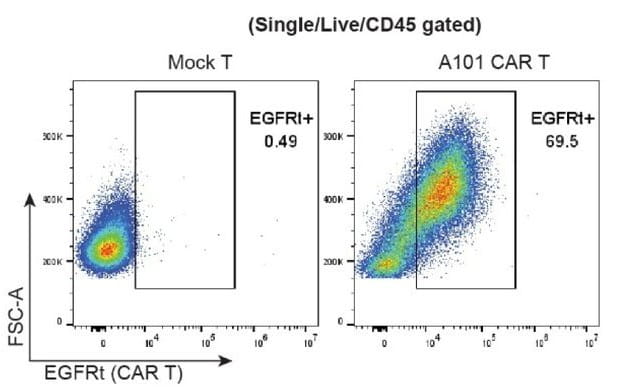
Figure 2b. Transduction efficiency of mouse A101 CAR-T cells measured by flow cytometry using antibodies directed against EGFRt or the A101 VHH domain. Stathopoulou C. et al., bioRxiv. 2025. doi:10.1101/2025.02.26.640438.
LentiBlast™ on Human CD34⁺ HSPCs
Up to 85% transgene-positive human CD34⁺ HSPCs after xenotransplantation
Human CD34⁺ HSPCs transduced with lentiviral vectors in the presence of LentiBlast™ maintained long-term engraftment in primitive HSC compartments.
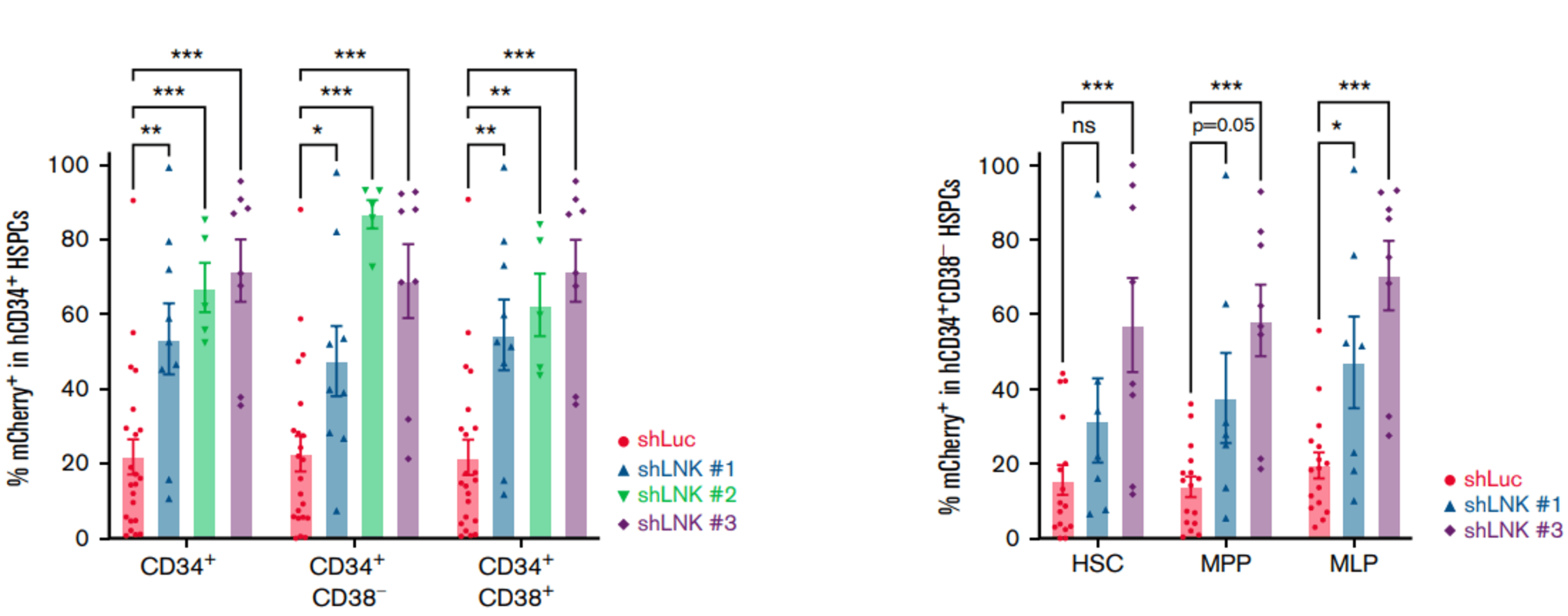
Figure 3A–B. Long-term engraftment of lentivirally modified human CD34⁺ HSPCs. Cord blood-derived CD34⁺ cells were transduced in the presence of LentiBlast™ before xenotransplantation. Transgene-positive cells were detected in CD34⁺, CD34⁺CD38⁻, HSC, MPP and MLP compartments 16–27 weeks after transplantation. Holdreith N. et al., Blood Advances. 2022;6(3):731–74
Sustained functional gene silencing 28 weeks after transplantation
Human cord blood CD34⁺ cells transduced with a CCR5-targeting lentiviral vector in the presence of LentiBlast™ maintained functional CCR5 knockdown in CD4⁺ progeny 28 weeks after transplantation.
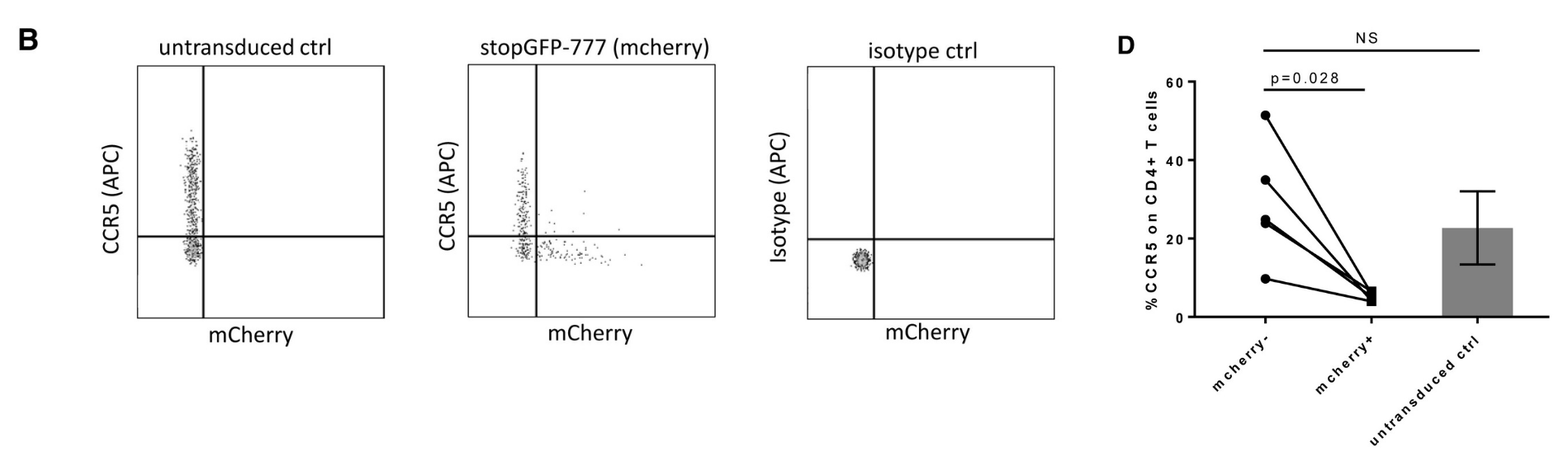
Figure 5B, D. Human CD34⁺ cells were lentivirally transduced with LentiBlast B and transplanted into NSG mice. Twenty-eight weeks later, transduced mCherry⁺ CD4⁺ cells showed significantly reduced CCR5 expression compared with mCherry⁻ cells (p = 0.028). Rousset F. et al., Mol Ther Nucleic Acids. 2019;14:351–363. doi:10.1016/j.omtn.2018.12.004.
Testimonial: a user's perspective
What do you need to get started?
LentiBlast™ Premium GMP is extremely easy to use: simply mix the reagent with your viral suspension (no vortexing, no centrifugation), then add the mixture directly to your cells.
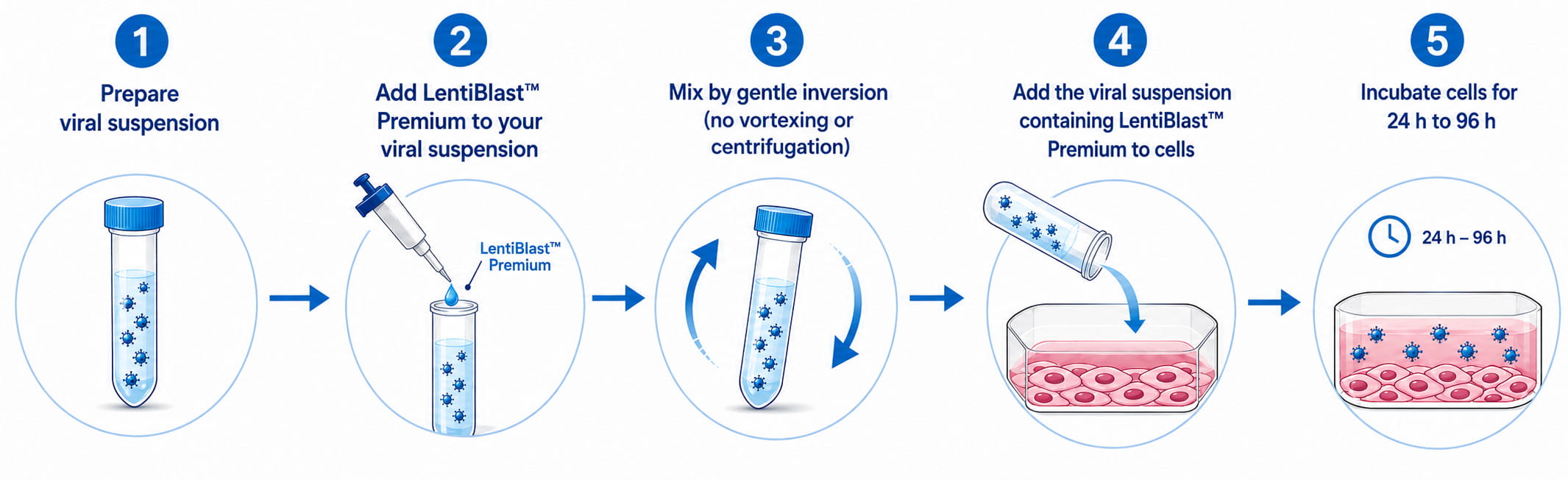
A streamlined, hands-off workflow, the simplest and most efficient transduction enhancer on the market.
Quality Statement - GMP
- GMP-certified, FDA-registered facility
- ICH Q7–based quality system
- Extensive QC panel: identity, purity, potency, sterility, USP <63>/<85>
- Comprehensive documentation: CoA, CoO, GMP Statement
From discovery to patients - Simplified Licensing
Preclinical

Available immediately for research & process development
No license required
Simple purchase & global availability
Seamless transition to GMP when needed
Clinical Trial

No upfront fees
No Milestone fees for Early Phase
Seamless access to GMP supply
Fully adapted to your program needs
Commercial

No Royalties
Scalable, partnerfriendly terms
Designed to enable broad patient access
Ensures long-term supply chain security
Interested in LentiBlast™ Premium GMP?
Whether you're optimizing your transduction protocol or preparing for clinical manufacturing, our team can help you evaluate LentiBlast™ Premium GMP for your application.