





BLOG > News & Events > SINPAIN Concludes with New Insights into Osteoarthritis and Future Treatments


After four and a half years of collaborative research, the EU-funded SINPAIN project presents new insights into osteoarthritis, innovative therapeutic approaches and advanced tools for disease assessment. A dedicated online results section makes the scientific achievements accessible to researchers, healthcare professionals, patients and the wider public.
Donostia-San Sebastián, Spain, 26 October 2026 – As the EU-funded SINPAIN project approaches its conclusion at the end of October, its international research consortium presents new scientific insights and innovative approaches that could support future approaches to osteoarthritis diagnosis and treatment. Combining expertise in molecular biology, nanotechnology, tissue engineering, medical imaging and clinical research, SINPAIN has contributed to a better understanding of the disease and developed new tools for therapeutic research and disease assessment.
The project's achievements and future perspectives were discussed during its final consortium meeting, held on 20 October 2026 in Bordeaux, France. The meeting brought together project partners to review the scientific results, reflect on the collaboration and explore opportunities for taking the research forward.
Understanding osteoarthritis to develop new treatment approaches
Osteoarthritis is a common joint disease that causes pain, stiffness and reduced mobility. While existing treatments can help manage symptoms, options for addressing the underlying disease processes remain limited.
SINPAIN set out to contribute to a better understanding of these processes and explore new ways of targeting inflammation and pain.
One of the project's key achievements was the identification of specific cell populations and interactions involved in both inflammation and pain within osteoarthritic joint tissue. Researchers found that several cell types produce interleukin-1 beta (IL-1β) and nerve growth factor (NGF), two biological factors associated with these processes.
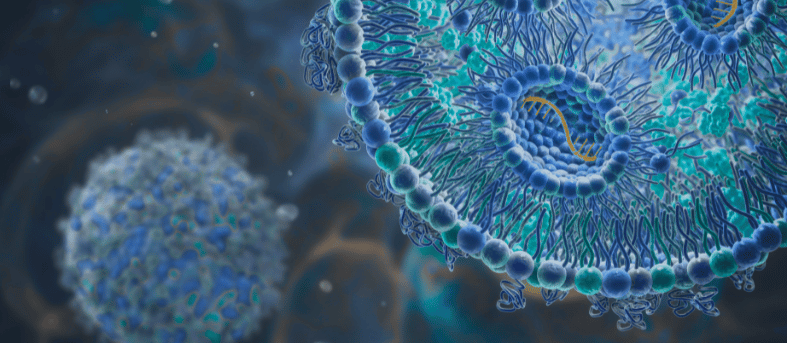
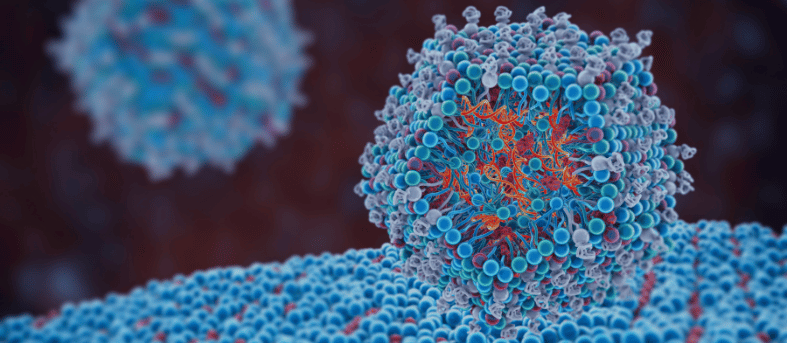
These findings helped inform the development of innovative nanotherapeutic approaches. They include lipid nanoparticles designed to deliver small interfering RNA (siRNA) to reduce the expression of IL-1β and NGF, as well as an injectable hydrogel developed to deliver therapeutic agents directly into the knee joint.
“SINPAIN has achieved much more than developing innovative therapeutic approaches for osteoarthritis. We have also gained important insights into how the disease begins and progresses, which could help us move towards earlier diagnosis and more personalised treatments. Throughout the project, one of the most rewarding experiences was meeting people living with osteoarthritis and understanding how much the disease affects their everyday lives. It reminded us why this research matters and what we ultimately want to achieve,” said Damien Dupin, SINPAIN Project Coordinator at CIDETEC.
New tools for evaluating therapies and assessing disease progression
Alongside therapeutic development, SINPAIN has advanced methods for studying osteoarthritis and evaluating potential treatments.
Researchers developed three-dimensional human cell models that reproduce important aspects of the joint environment, including interactions between different cell types, inflammatory conditions and mechanical forces. The project also established a clinically relevant rabbit model to investigate early disease progression and support preclinical evaluation of new therapeutic approaches.
Another important development was a method combining magnetic resonance imaging (MRI), computed tomography (CT) and artificial intelligence (AI) to assess cartilage degeneration and other joint characteristics. This research could contribute to more objective disease assessment and support future personalised treatment strategies.
Alongside its scientific and technological advances, SINPAIN also addressed regulatory considerations relevant to the future development of its therapeutic approaches. The consortium developed an early regulatory roadmap and engaged with European regulatory experts through a meeting with the European Medicines Agency's (EMA) Innovation Task Force. The exchange provided early feedback on quality and non-clinical questions, helping inform the planning of potential next development steps.
Together, these scientific and technological advances, complemented by early regulatory planning, provide a foundation for further osteoarthritis research and the development of potential treatments.
Collaborative research driving innovation
The SINPAIN consortium brought together complementary scientific and technical expertise to address the complexity of osteoarthritis, from understanding its biological mechanisms to developing and evaluating experimental therapeutic approaches.
“What made SINPAIN special was the collaboration between partners with very different areas of expertise. Throughout the project, we faced numerous challenges, but the consortium always worked together to find solutions. Everyone brought their expertise and a positive attitude to the table, and this close collaboration was essential to moving the research forward,” says Damien Dupin.
Explore the SINPAIN results online
To make its scientific achievements accessible beyond the research community, SINPAIN has launched a dedicated SINPAIN Results section on its project website.
The new section brings together an overview of the project's main findings, five video interviews and written Q&As. Together, they explain how the research has contributed to understanding inflammation and pain, developing innovative nanotherapies, creating more realistic disease models and improving osteoarthritis assessment through medical imaging and AI.
The results section offers researchers, healthcare professionals, patients and the wider public an opportunity to explore the scientific achievements, challenges and future perspectives of SINPAIN.
Discover the SINPAIN results: www.osteoarthritis-sinpain.eu/results
Looking ahead
As SINPAIN concludes in October 2026, its results provide a foundation for continued research into the mechanisms of osteoarthritis, innovative therapeutic approaches and improved methods of disease assessment.
Further research and validation will be needed to investigate the potential clinical applications of the technologies developed. Nevertheless, the scientific knowledge, methodologies and collaborations established through SINPAIN can contribute to future efforts towards more targeted and personalised osteoarthritis treatments.
Key Facts
- Full Name: SINPAIN - A game changer for the treatment of osteoarthritis: a cost effective combined advanced therapy to treat knee osteoarthritis
- Start Date: 1 May 2022
- Duration: 54 months
- Budget: 5.3 million €
- Coordinator: CIDETEC
- Website: www.osteoarthritis-sinpain.eu
Project Partners
- France: Inserm - National Institute of Health and Medical Research (Institut national de la santé et de la recherche médicale), OZ Biosciences (OZB)
- Germany: Saarland University, EURICE - European Research and Project Office GmbH
- Iceland: Reykjavik University
- Italy: UPO - Università del Piemonte Orientale
- Portugal: i3S - Institute for Research and Innovation in Health (Instituto de Investigação e Inovação em Saúde da Universidade do Porto)
- Spain: Cidetec, Asphalion Sl
- Switzerland: AO Research Institute Davos
- United Kingdom: University of Liverpool
- United States of America: The Regents of the University of California
Related Articles

Eurostars Project CAPSULIX: mRNA and LNPs for engineered cell therapy

DART project: novel mRNA delivery systems for vaccines

Partnership Opportunities