




BLOG > Publications & Citations > Human corticospinal connectoid model for post-injury axon regrowth
Authors: Gibbons G, Fuchsberger T, Abdelgawad M et al.
Source: Cell Reports, 2026; 45
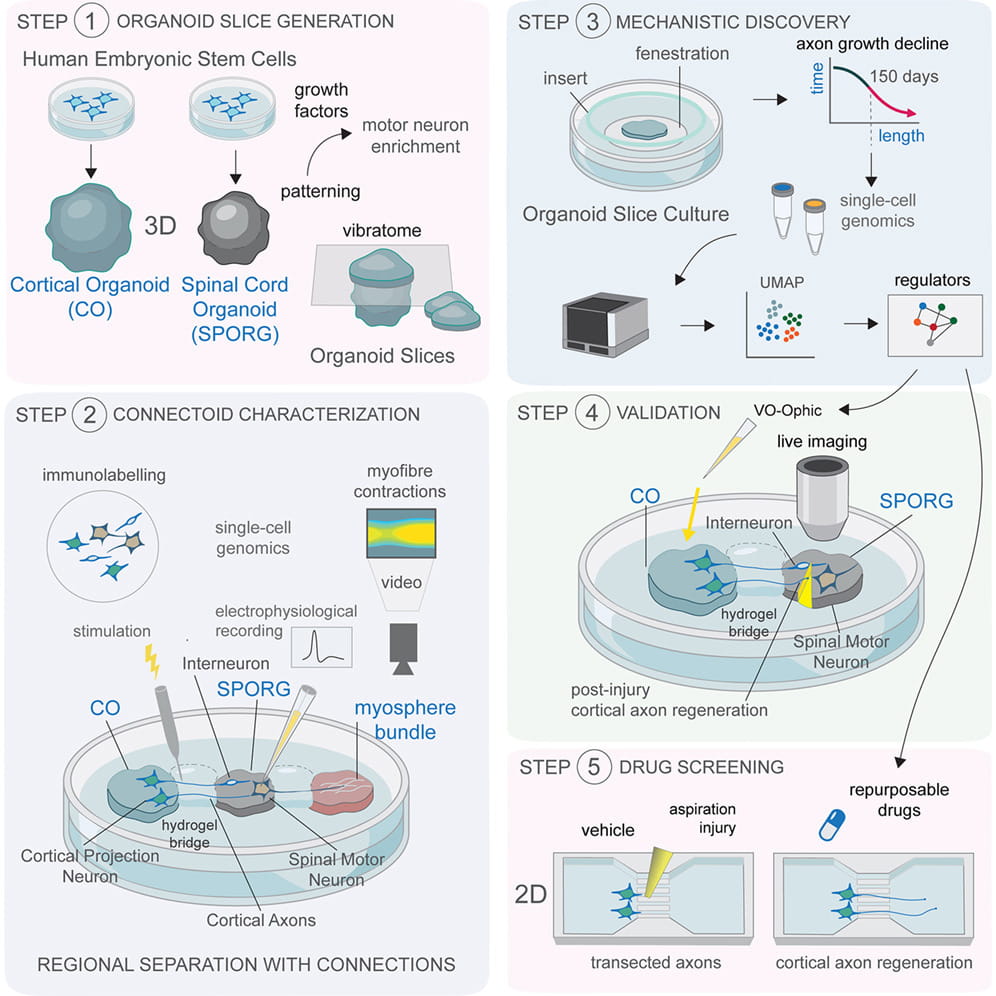
We are delighted to share insights from a genuine study entitled "A human corticospinal organoid-slice connectoid model informs enhancer strategies for post-injury axon regrowth" published in Cell Reports by Gibbons G et al.
Congratulations to all authors for this great article.
They developed a groundbreaking 3D “connectoid” platform that mimics the human corticospinal system to study why nerve regeneration fails after injury. By indentifyin the genetic programs that brake axon growth during maturation, the team successfully demonstrated that repurposable drugs can jumpstart human nerve repair.
NeuroMag, a magnetic transfection reagent, was used to efficiently engineer the human embryonic stem cells with GFP. This step allowed them to precisely track and image the outgrowing cortical axons as they formed functional connections within the model.
Related publications
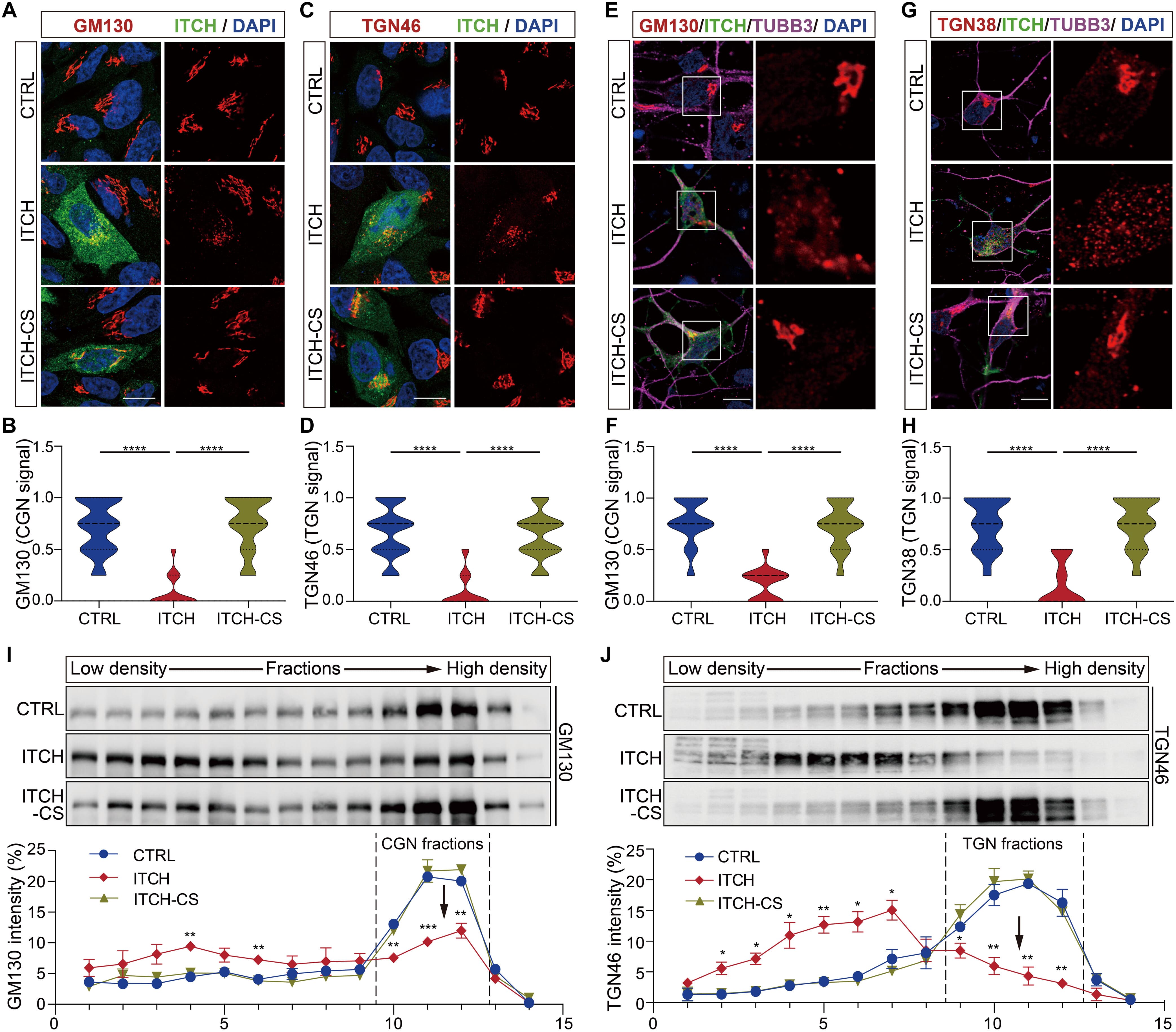
ITCH regulates Golgi integrity and proteotoxicity in neurodegeneration
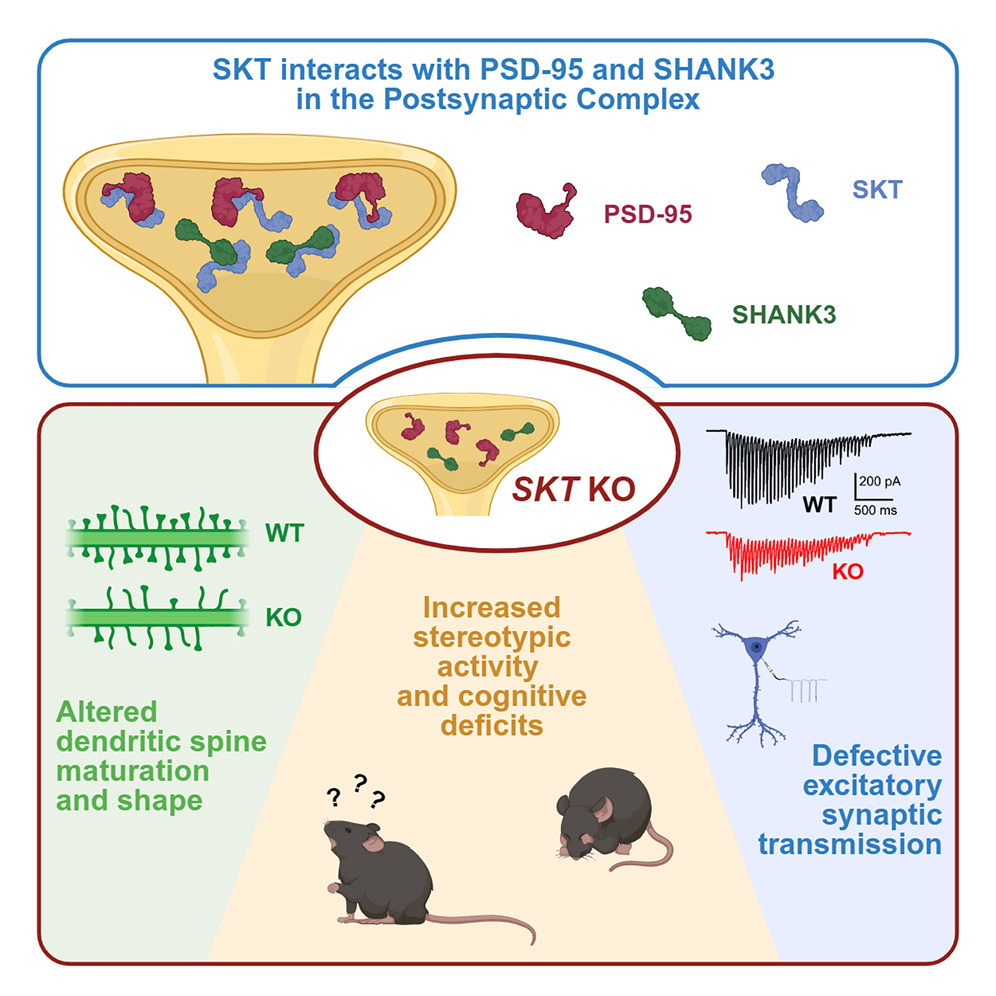
The adaptor SKT interacts with PSD-95 and SHANK3 and affects synaptic functions